
That burning feeling after dinner. again? You reach for an antacid, blame the spicy food, and hope it settles soon. It happens occasionally, but when the same discomfort keeps returning, it becomes harder to ignore. Could it be more than just something you ate?
An occasional episode of acidity or indigestion is usually nothing to worry about. However, recurring symptoms deserve attention, especially when they start affecting your meals, sleep, or daily routine. The Canadian Digestive Health Foundation estimates that 1 in 6 Canadians live with GERD, a long-term form of acid reflux.

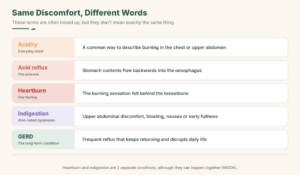
The tricky part is that acidity, acid reflux, indigestion, and GERD are often used to describe the same discomfort, even though they are not identical. Understanding the difference can help you recognise what’s happening and when it’s time to look for answers. so let’s start with the basics.
What Are Acidity And Indigestion?
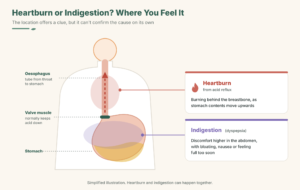
Acidity is a common way of describing a burning feeling in the chest or upper abdomen. It often happens because of acid reflux, when stomach contents flow backwards into the oesophagus, the tube connecting your throat to your stomach. That familiar burning behind the breastbone is called heartburn.
Indigestion, also known as dyspepsia, is slightly different. It refers to discomfort in the upper abdomen and may come with bloating, nausea, or feeling full sooner than expected. NIDDK explains that heartburn and indigestion are 2 separate conditions, although they can happen together.
So, how do you know when an upset stomach is more than a one-off problem? A heavy meal might leave you uncomfortable for a while, but symptoms that keep returning week after week deserve a closer look. Mayo Clinic advises speaking with a healthcare professional when indigestion lasts longer than 2 weeks.
What Are The Common Symptoms Of Acidity And Indigestion?
Acidity and indigestion don’t feel the same for everyone. You might notice a burning sensation after eating, while someone else may experience bloating or nausea. The symptoms can also depend on the digestive condition causing the discomfort. Knowing what to look for can help you describe what’s happening more clearly. Here are 6 common symptoms that may appear with acidity and indigestion:
- Burning Sensation In The Chest Or Upper Abdomen: Acid reflux can cause burning behind the breastbone, while indigestion may cause discomfort higher in the abdomen. The location can offer a clue, but it cannot confirm the cause on its own.
- Bloating And Excessive Burping: Your stomach may feel tight, swollen, or uncomfortably full. Eating too quickly or swallowing excess air can also lead to frequent burping, making that post-meal discomfort even more noticeable.
- Nausea After Meals: Sometimes, a meal leaves your stomach feeling unsettled rather than satisfied. You might feel slightly sick after eating, even when the same food didn’t bother you the last time.
- Feeling Full Too Quickly: This is known as early satiety. You may feel full after eating only a small portion, even though you expected to finish a normal meal. Mayo Clinic recognises it as a common indigestion symptom.
- Sour Or Bitter Taste In The Mouth: When stomach contents move towards your throat or mouth, they can leave an unpleasant taste. You may notice it after waking up, bending forward, or lying down.
- Upper Abdominal Discomfort: Indigestion can cause pressure, aching, or pain between your navel and lower breastbone. It may appear during a meal or linger afterwards, making even an ordinary eating routine uncomfortable.
Why Do Acidity And Indigestion Keep Coming Back?
Recurring symptoms can have several explanations. Sometimes, the problem is linked to eating habits or everyday routines. In other cases, medications or an underlying digestive condition may be involved. The important thing is to notice what keeps triggering your discomfort rather than assuming every episode has the same cause.
Although these triggers vary from person to person, the following factors are commonly linked to recurring acidity and indigestion:
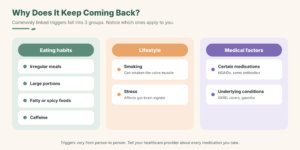
- Irregular Eating Habits: Skipping meals or eating at inconsistent times can upset digestion for some people. A long gap without food followed by one large meal may make the discomfort more noticeable.
- Large Meals: Bigger portions stretch the stomach and can increase the chance of stomach contents moving upwards. The problem may become worse when you lie down soon after finishing your meal.
- Fatty Or Spicy Foods: Certain foods can aggravate reflux or indigestion, particularly if you are sensitive to them. However, they don’t affect everyone in the same way, so pay attention to your own symptoms.
- Caffeine: Coffee and other caffeinated drinks may trigger or worsen reflux in some people. Instead of giving up everything at once, notice whether your symptoms become more frequent after particular drinks.
- Smoking: Smoking can affect the muscle that normally helps prevent stomach contents from flowing back into the oesophagus. MedlinePlus lists tobacco use as a risk factor for acid reflux.
- Stress: Digestive discomfort isn’t always about food. Stress can influence communication between your gut and brain, making symptoms more noticeable. Soul Homeopathy also offers support for stress disorders, which may be relevant when stress is part of the wider picture.
- Certain Medications: Some medications, including NSAID pain relievers and certain antibiotics, can contribute to indigestion. NIDDK explains how certain medications may cause symptoms, so make sure your healthcare provider knows what you take.
- Underlying Digestive Conditions: GERD, peptic ulcers, functional dyspepsia, and gastritis can all contribute to recurring discomfort. When symptoms keep returning despite changes to your routine, finding out whether an underlying condition is involved becomes important.
How Does Recurring Acidity Affect The Digestive System?
When acid reflux happens repeatedly, stomach contents keep coming into contact with the lining of your oesophagus. Over time, this exposure can irritate the tissue. According to NIDDK, the resulting inflammation is called oesophagitis.
If inflammation continues, some people may develop further complications. A stricture is a narrowing of the oesophagus that can make swallowing difficult. Another possible change is Barrett’s oesophagus, where the lining of the oesophagus changes after prolonged exposure to reflux.
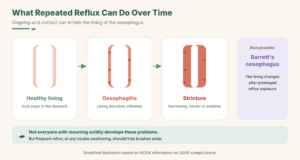
That doesn’t mean everyone with recurring acidity will develop these problems. Still, persistent reflux shouldn’t be brushed aside, particularly when symptoms become more frequent or start affecting swallowing.
Recurring indigestion can affect everyday life in other ways. You might lose your appetite, avoid foods you once enjoyed, or feel uncomfortable after ordinary meals. Since conditions such as ulcers can cause similar symptoms, the effects depend on the underlying cause and whether it receives appropriate attention.
What Is The Difference Between Occasional Acidity And Chronic Digestive Problems?
Occasional acidity often follows a particular meal or trigger and settles without causing ongoing trouble. Recurring digestive symptoms are different because they return frequently, last longer, or become more disruptive. Although frequency can offer a useful clue, it doesn’t confirm a diagnosis by itself.
Looking at how these experiences differ can help you understand when occasional discomfort may need further attention:
| Comparison Factor | Occasional Acidity | Recurring Or Chronic Digestive Problems |
| Frequency Of Symptoms | Happens once in a while, often after a particular meal or trigger. | Returns repeatedly or occurs frequently over an extended period. |
| Duration And Severity | Usually settles within a relatively short time. | May persist, return often, or become increasingly disruptive. |
| Relationship With Meals | Often follows certain foods or larger portions. | May happen after meals, between meals, or without an obvious food trigger. |
| Nighttime Discomfort | May occur occasionally after eating late. | Can repeatedly disturb sleep or cause symptoms during the night. |
| Impact On Daily Activities | Usually causes temporary discomfort. | May interfere with eating habits, sleep, and everyday activities. |
| Need For Medical Evaluation | Not always necessary when symptoms are mild and infrequent. | Persistent, worsening, or concerning symptoms need medical assessment. Trouble swallowing, vomiting blood, or black stools need prompt care. |
The difference becomes clearer when you look at how often symptoms happen and how much they affect your routine. If discomfort keeps interrupting your meals or sleep, it’s worth discussing the pattern with a healthcare professional rather than relying on temporary relief.
Who Is More Likely To Experience Recurring Acidity And Indigestion?
Anyone can experience acidity or indigestion, but certain habits and health conditions can make recurring symptoms more likely. Having a risk factor doesn’t mean you will automatically develop a digestive problem. It simply means you may need to pay closer attention to changes in your symptoms.
Some of the factors that can increase the likelihood of recurring digestive discomfort include:
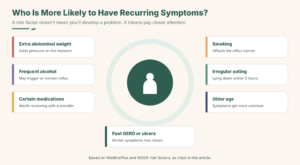
- Obesity: Extra weight, particularly around the abdomen, can increase pressure on the stomach. This pressure may contribute to reflux and make symptoms more noticeable.
- Smoking: Tobacco use can affect the mechanisms that help keep stomach contents from moving back into the oesophagus. This makes smoking an important factor to consider when reflux keeps returning.
- Frequent Alcohol Consumption: Alcohol may trigger or worsen reflux in some people. MedlinePlus also identifies it as a possible risk factor, although individual responses can vary.
- Irregular Eating Patterns: Inconsistent meal times and large portions can contribute to discomfort. Lying down within 3 hours of eating is also a recognised reflux risk factor.
- Certain Medications: Some medications can increase the likelihood of reflux or indigestion. Reviewing your regular medications with a healthcare provider can help identify whether any of them may be contributing.
- Older Age: Digestive symptoms can become more common as people get older. Other health conditions and age-related changes may also affect how the stomach and oesophagus function.
- History Of Digestive Disorders: If you have previously experienced GERD or ulcers, similar symptoms may return. This is one reason follow-up care matters, especially when familiar discomfort starts appearing more often.
How Can You Manage Acidity And Indigestion Through Daily Habits?
A few changes to your everyday routine may help reduce common triggers and make meals more comfortable. You don’t need to change everything overnight. Start by noticing what affects your digestion, then build habits that are realistic enough to maintain.
Here are 7 practical habits that may help you manage everyday digestive discomfort:
- Eat Smaller, Balanced Meals: Large portions can leave your stomach feeling stretched and uncomfortable. Try eating moderate amounts instead, especially if you often notice fullness or reflux after a heavy meal.
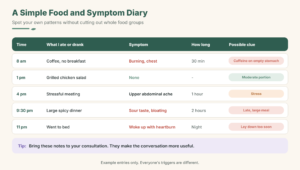
- Identify Individual Food Triggers: Keep a simple food diary and note when symptoms appear. This can help you recognise which foods or drinks affect you, without unnecessarily removing entire food groups from your diet.
- Maintain A Healthy Weight: Extra weight around the abdomen can increase pressure on the stomach. Managing your weight may help improve reflux symptoms, particularly when excess abdominal weight is contributing to discomfort.
- Avoid Lying Down Immediately After Eating: Give your body time to digest a meal before lying down. Staying upright, sitting comfortably, or taking a gentle walk can help reduce the chance of stomach contents moving upwards.
- Limit Late-Night Meals: Eating shortly before bedtime can make nighttime reflux more likely. Try finishing dinner earlier and allowing your stomach time to empty before you go to bed.

- Reduce Smoking And Alcohol Consumption: Both are recognised reflux triggers for some people. Cutting back may help reduce symptoms, and a healthcare professional can offer support if stopping smoking or alcohol feels difficult.
- Maintain Consistent Eating Routines: Regular meal times and slower, more mindful eating can make your digestive patterns easier to understand. They may also help you notice which habits leave you feeling better after meals.
These habits can support digestive comfort, but they aren’t a substitute for medical evaluation. If symptoms continue despite making changes, the next step is to understand what may be causing them.
How Are Recurring Acidity And Indigestion Diagnosed And Treated?
Finding the reason behind recurring symptoms starts with understanding your experience. A healthcare professional will usually ask when the discomfort began, how often it happens, what seems to trigger it, and whether you take any regular medications.
Once they have a clearer picture, they can decide whether further investigations or treatment are needed. Depending on your symptoms and medical history, the following approaches may be considered:
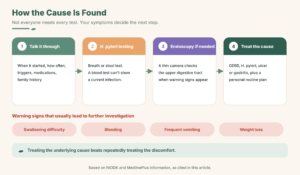
- Medical History And Physical Examination: Your provider may review your symptoms, eating habits, medications, and family history of digestive conditions or cancer. NIDDK explains how these details help guide the evaluation.
- H. pylori Testing: Breath and stool tests can help identify Helicobacter pylori, a bacterium associated with peptic ulcers. MedlinePlus notes that a blood test cannot establish whether an infection is current.
- Upper Gastrointestinal Endoscopy: This procedure uses a thin, flexible tube with a camera to examine the upper digestive tract. It may be considered when symptoms or warning signs, such as swallowing difficulties, bleeding, frequent vomiting, or weight loss, need further investigation.
- Acid-Reducing Medications: Treatment may involve antacids, H2 blockers, proton pump inhibitors (PPIs), or newer potassium-competitive acid blockers. These medicines work in different ways to reduce or neutralise stomach acid, and the appropriate option depends on the cause and medical advice.
- Treatment Of Identified Underlying Conditions: If testing identifies GERD, an H. pylori infection, a peptic ulcer, or gastritis, treatment can focus on that specific condition. Addressing the underlying problem is more useful than repeatedly treating discomfort without understanding its cause.
- Individualised Dietary And Lifestyle Adjustments: Your provider may recommend changes based on your symptoms, eating habits, and personal triggers. There is no 1 plan for everyone, so recommendations should reflect what is actually contributing to your discomfort.
Not everyone needs every test or treatment. The right approach depends on what your symptoms suggest, which is why a proper assessment matters when indigestion or acidity keeps coming back.
Get Professional Guidance For Recurring Digestive Discomfort
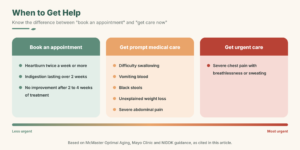
Recurring acidity and indigestion deserve attention when they continue, become worse, or start interfering with everyday life. Difficulty swallowing, vomiting blood, black stools, and unexplained weight loss need prompt medical attention. Severe abdominal pain also needs assessment, while severe chest pain with breathlessness or sweating requires urgent care.
Finding the underlying cause matters more than repeatedly reaching for temporary relief. Soul Homeopathy, offers support for gastrointestinal complaints, including acid reflux, gastritis, indigestion, and peptic ulcers. Its personalised approach combines homeopathic care with nutrition guidance, alongside appropriate medical care.
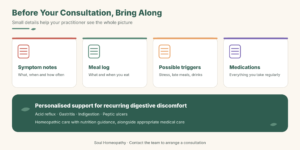
If digestive discomfort keeps returning and you’re looking for guidance, you can contact the Soul Homeopathy team to discuss your concerns and arrange a consultation. Bring along any notes about your symptoms, meals, and possible triggers. these details can help make the conversation more useful. You don’t have to keep treating recurring discomfort as just another part of your day.
Frequently Asked Questions (FAQs)
Q1. When should recurring acidity and indigestion become a concern?
Speak with a healthcare provider if heartburn happens twice a week or more, or symptoms don’t improve after 2 to 4 weeks of treatment, as McMaster Optimal Aging advises. Vomiting blood or passing black stools needs immediate medical attention.
Q2. Can stress cause acidity and indigestion?
Stress doesn’t explain every case, but it can influence digestive discomfort. NIDDK describes functional dyspepsia as involving communication between the gut and brain. Persistent symptoms still need proper medical evaluation to identify possible causes.
Q3. Can recurring acidity be a sign of GERD?
Yes. Frequent acid reflux that disrupts daily life may indicate GERD. It affects around 15% of Canadians, according to the Canadian Task Force on Preventive Health Care. A healthcare professional can assess your symptoms and confirm the diagnosis.
Q4. What tests can help identify the cause of persistent indigestion?
A healthcare provider may begin with your medical history and a physical examination, then consider H. pylori breath or stool tests. An upper gastrointestinal endoscopy may also be recommended when needed, as NIDDK explains.