
You can be fine around pollen, pets or certain foods for years, then suddenly find yourself sneezing, itching or dealing with a blocked nose. It can feel confusing when something that never bothered you before starts affecting ordinary parts of your day.
That change is not unusual. Allergic disorders happen when your immune system reacts to something harmless as if it were dangerous. Hay fever, food allergies, eczema and allergic asthma are familiar examples. The World Allergy Organization reports rising prevalence and severity worldwide.
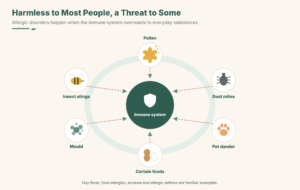
Why are more people dealing with allergies, and why can they appear later in life? There is no single answer. Genes, the environment and everyday exposure may all matter. so it helps to understand what happens inside the body before looking at possible causes.
In this blog, we’ll break down how allergic disorders develop, the symptoms to watch for, common triggers and the ways you can manage them. so you can better understand what’s happening and what steps to take next.
What Are Allergic Disorders?
Allergic disorders develop when your immune system reacts to a substance that is normally harmless. This substance is called an allergen. Pollen, dust mites, pet dander and certain foods are common examples. Your body treats them like a threat, even when they aren’t.
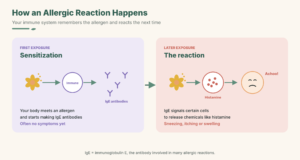
The reaction can happen in stages. After the first exposure, your immune system may make antibodies called immunoglobulin E (IgE) for that allergen. You might not notice anything then. If you meet the same allergen again, those antibodies help trigger the next response.
During that later exposure, IgE signals certain cells to release chemicals such as histamine. That is when symptoms like sneezing, itching or swelling may appear. In other words, your immune system remembers the allergen. and reacts when it comes across it again.
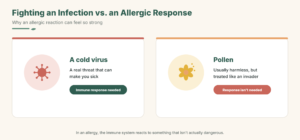
This is different from fighting an infection. A cold virus can make you sick, so your immune system has a real threat to deal with. Pollen is usually harmless, but an allergic response treats it like an invader. That’s why the reaction can seem so strong.
How Do Allergic Disorders Develop?
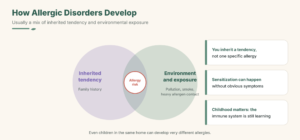
Allergic disorders usually develop through a combination of inherited susceptibility and environmental exposure. If a parent or sibling has allergies, your chances may be higher. Still, you generally inherit a tendency towards allergies, not one specific condition or reaction.
One early step is called sensitization. Your immune system meets an allergen, mistakenly identifies it as a threat and begins making IgE antibodies. This can happen without any obvious symptoms. so a person may become sensitized before realizing that a particular substance affects them.
Your surroundings may influence this process too. Pollution, smoke and heavy allergen exposure can irritate the body’s protective barriers, which may affect how the immune system responds. Research explores this connection in more detail in this study on environmental exposure and allergic disease.
Childhood is an important time because the immune system is still learning what to tolerate. Early experiences at home, outdoors and through food may help shape that learning. Even children growing up under the same roof can develop very different allergies.
What Are the Symptoms of Allergic Disorders?
Allergic symptoms depend on the allergen, the part of your body affected and how strongly your immune system reacts. Some symptoms are mild but bothersome; others can become serious. You might notice one symptom on its own or several at once.
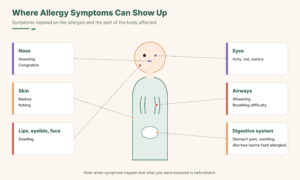
Allergens can irritate the lining of your nose, eyes, skin, airways or digestive system. The symptoms below are common, but they do not all point to the same condition. Pay attention to when they happen and what you were exposed to beforehand, such as:
- Sneezing: Allergens can irritate the lining of your nose, causing repeated sneezing.
- Nasal Congestion: Swelling inside your nasal passages can leave your nose feeling blocked or stuffy.
- Itchy or Watery Eyes: Your eyes may become red, itchy and watery after contact with an allergen.
- Skin Rashes: Some allergic conditions can leave your skin red, irritated or covered in a rash.
- Itching: You may feel itchy on your skin or in other areas affected by the reaction.
- Swelling: Your lips, eyelids or face may swell during an allergic reaction.
- Wheezing: An allergic reaction affecting your airways may cause breathing difficulties or a whistling sound when you breathe.
- Digestive Symptoms: Certain food allergies can cause stomach pain, vomiting or diarrhea.
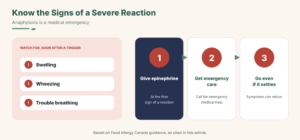
Swelling, wheezing or trouble breathing soon after contact with a possible trigger may be signs of anaphylaxis, a severe allergic reaction. Food Allergy Canada explains what to look for and why prompt treatment matters. Epinephrine should be given at the first sign of a reaction, followed by emergency medical care, even if symptoms settle.
What Are the Most Common Types of Allergic Disorders?
Allergic disorders can affect the nose, lungs, eyes, skin or digestive system. Sometimes, more than one condition appears in the same person. For example, eczema and hay fever can occur together. which is why symptoms may not always fit neatly into one category.
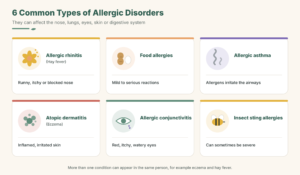
Each condition affects the body differently. Some mainly cause sneezing and congestion, while others affect the skin or airways. Here are 6 common types of allergic disorders and what you may notice with each one:
- Allergic Rhinitis (Hay Fever): Pollen, dust mites or pet dander can cause a runny, itchy or blocked nose.
- Food Allergies: Certain foods can trigger an immune response. Reactions may be mild, but some can become serious medical emergencies.
- Asthma With Allergic Triggers: Allergens can irritate and inflame the airways, bringing on asthma symptoms in people who are sensitive to them.
- Atopic Dermatitis (Eczema): This inflammatory skin condition can be linked with allergic tendencies and irritation from the environment.
- Allergic Conjunctivitis: Allergens can irritate the eyes, causing redness, itching and watering.
- Insect Sting Allergies: Some people have an allergic reaction to insect stings. In certain cases, the reaction can be severe.
Are Allergic Disorders Becoming More Common?
Yes, allergic disorders appear to be increasing in many regions, although the figures vary by condition and by how cases are counted. A 2025 global burden analysis estimated 129 million people had atopic dermatitis in 2021, around 20% more than in 1990.
That figure needs a little context: the age-standardized rate edged down, even though the total number of people affected rose. Population growth and changes in diagnosis can influence totals, so one number does not tell the whole story about why allergies are changing.

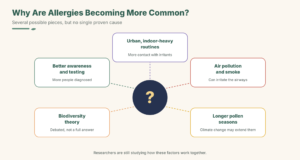
More awareness and better testing mean people may be diagnosed now when they might previously have gone without an explanation. At the same time, real-life exposures may be changing. Research into urban living, polluted air and indoor-heavy routines looks at how these conditions can increase daily contact with irritants and allergens.
You may also come across the biodiversity theory. It suggests that less contact with a wide range of natural microbes may shape immune development. However, a 2024 review urges caution, so this idea is not a complete explanation.
Climate change may add another piece to the picture. Research into longer pollen seasons looks at how changing conditions can extend exposure for some people. Still, no single cause has been proven to explain the rise in allergic disorders worldwide.
Who Is More Likely to Develop Allergic Disorders?
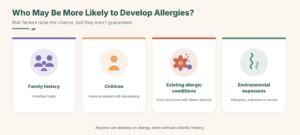
Anyone can develop an allergic disorder, even without a family history or allergies in childhood. However, some factors may raise the likelihood. They are risk factors, not guarantees. having one or several does not mean someone will definitely develop an allergy.
Some people may have a higher chance because of their family background, age or surroundings. These factors can help explain why allergies affect people differently, even when they share similar environments. The following groups may have an increased likelihood:
- People With a Family History of Allergies: Inherited traits may make someone more likely to develop allergic conditions.
- Children: Their immune systems are still developing, and new exposures may influence how they respond to allergens.
- People With Existing Allergic Conditions: Having one allergic condition can sometimes mean having others too. This pattern is known as atopy.
- People With Certain Environmental Exposures: Regular contact with allergens, air pollution or smoke may affect allergy development or make existing symptoms worse.
What Environmental Factors Can Trigger Allergic Reactions?
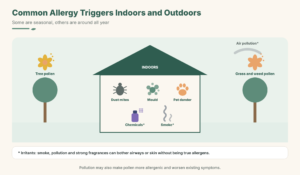
Environmental triggers are things that bring on symptoms in someone who is already sensitized. But not everything that causes irritation is an allergen. Smoke and strong fragrances, for example, can bother the airways or skin without causing an allergic immune response.
Outdoor and indoor exposures can both play a part. Tree, grass and weed pollen may cause seasonal symptoms, while dust mites can live in bedding, carpets and upholstered furniture. Damp areas can also support mould growth, which may release irritating spores.
Your everyday surroundings may expose you to several of these triggers without you noticing. Some are seasonal, while others are present at home throughout the year. Common examples include:
- Pollen and Seasonal Allergens: Tree, grass and weed pollen can cause seasonal symptoms, especially when these plants release pollen.
- Dust Mites and Indoor Dust: These tiny mites can live in bedding, carpets and upholstered furniture, making them common indoor triggers.
- Mold Spores and Damp Environments: Mould can grow in damp areas and release spores that may trigger allergic symptoms.
- Pet Dander: Proteins found in animals’ skin flakes, saliva and urine can trigger reactions in sensitive people.
- Air Pollution and Smoke: Pollutants can irritate your airways and may make pollen more allergenic, worsening existing symptoms.
- Household Chemicals and Fragrances: Cleaning products and strong scents can irritate sensitive skin or airways, even when they aren’t true allergens.
How Can You Protect Yourself Against Environmental Allergy Triggers?
You can reduce contact with some environmental triggers by making a few practical changes at home and outdoors. You cannot avoid every allergen, and that is not the goal. aim for fewer exposures where practical, without making daily life harder.
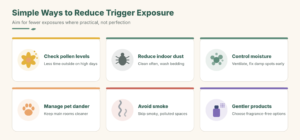
Start with the places where you spend the most time. Keeping your home clean, checking pollen levels and being careful around smoke may help reduce exposure. A few everyday habits can make managing your symptoms easier:
- Monitor Pollen Levels: Check local pollen forecasts and spend less time outdoors when pollen counts are high.
- Reduce Indoor Dust: Clean regularly and wash bedding often to prevent dust from building up.
- Control Indoor Moisture: Keep rooms well ventilated and deal with damp areas early to help prevent mould growth.
- Manage Pet Allergen Exposure: Clean often and try to keep pet dander from collecting in the rooms you use most.
- Reduce Smoke Exposure: Avoid tobacco smoke and spend less time in smoky or polluted indoor spaces.
- Choose Suitable Household Products: Where possible, choose fragrance-free or gentler household products to reduce irritation.
How Are Allergic Disorders Diagnosed and Managed?
Allergic disorders are diagnosed by looking at your symptoms, medical history and possible triggers. Your doctor will usually ask when symptoms happen, what may bring them on and whether allergies run in your family. Tests may be suggested when they can help guide diagnosis or treatment.
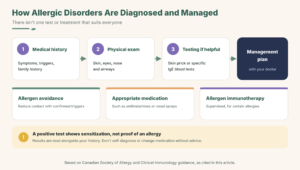
There isn’t one test that suits everyone. Your healthcare professional may use a physical examination, ask about your medical history or recommend specific allergy tests. Depending on the findings, management may involve avoiding triggers, medication or other treatment options.
- Medical History: Your healthcare professional will ask about your symptoms, how often they happen, possible triggers and family history.
- Physical Examination: They may examine your skin, eyes, nose and airways for signs that could be linked to an allergy.
- Skin Prick Testing: A small amount of an allergen is placed on your skin to check whether you react to it.
- Specific IgE Blood Tests: A blood sample may be tested for IgE antibodies linked to particular allergens when appropriate.
- Allergen Avoidance: Reducing contact with confirmed triggers can help you keep symptoms under control.
- Appropriate Medications: Your doctor may recommend antihistamines, nasal corticosteroids or other medicines based on your condition.
- Allergen Immunotherapy: For certain allergies, gradual exposure to an allergen under medical supervision may help change the immune response.
There is an important detail about testing: a positive result shows sensitization, but it does not automatically prove you have an allergy. The Canadian Society of Allergy and Clinical Immunology explains why allergy test results need to be considered alongside a person’s medical history. Do not self-diagnose or change medication without medical advice.
Explore Professional Guidance to Manage Allergic Disorders and Improve Your Quality of Life
Professional guidance can help you understand your allergy symptoms, identify possible triggers and explore suitable care. If sneezing, itching, skin irritation or seasonal discomfort keeps returning, you don’t have to keep guessing what might be causing it.
At Soul Homeopathy, consultations are shaped around your individual symptoms, possible triggers and health history. Whether you’re dealing with seasonal allergies, food-related concerns or skin complaints, explore our allergy care services to learn how we can support your needs.
So are you ready to stop putting up with recurring discomfort? Book your consultation today or explore our services. Let’s talk about what you’ve been experiencing and find a way forward together.
Frequently Asked Questions (FAQs)
Q1. Can allergic disorders develop later in life?
Yes. Allergic disorders can develop at any age. Some adults develop new allergies even without having them as children. If you notice symptoms that you cannot explain, speak with a doctor rather than assuming you know the cause.
Q2. Are allergic disorders hereditary?
Partly. You may inherit a general tendency towards allergies rather than one specific allergy. Your surroundings and everyday exposures can also influence whether that tendency develops into an allergic condition.
Q3. Can environmental changes make existing allergies worse?
Yes. Longer pollen seasons, air pollution, smoke and damp indoor spaces can aggravate symptoms in people who are already sensitized to certain allergens. Reducing exposure where possible may help make symptoms easier to manage.
Q4. Can allergic disorders be managed permanently?
Many people manage allergies well over the long term, although symptoms may come and go. Some children outgrow certain food allergies, while immunotherapy may provide lasting benefits for selected people.